
Version 2.6.4

1-Click Wordpress & WooCommerce Integration

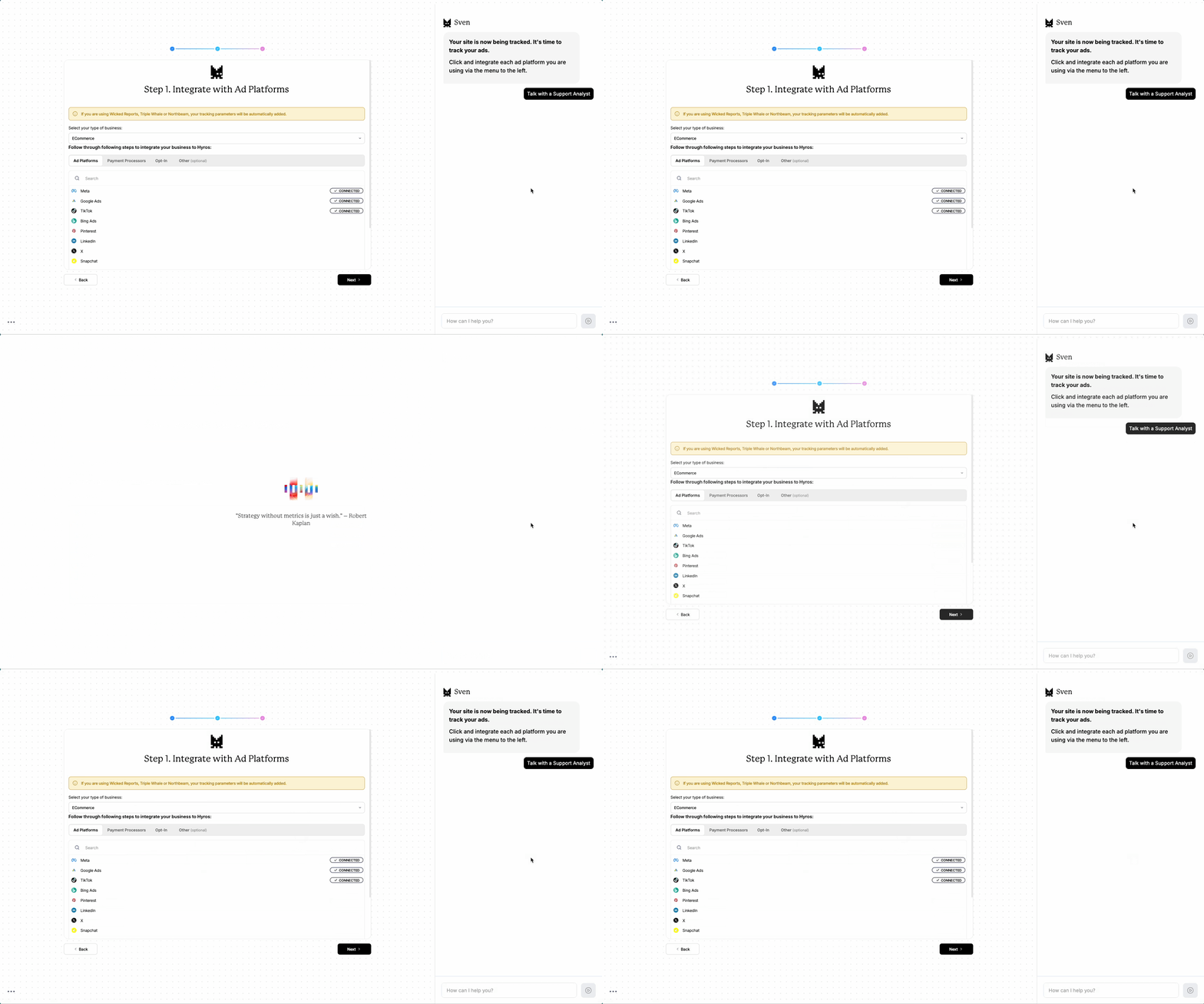
A new Hyros plugin enables seamless, one-click integration with WordPress and WooCommerce. Users can now install the plugin, connect their Hyros account, and automatically inject tracking scripts and webhooks, greatly simplifying the setup process.
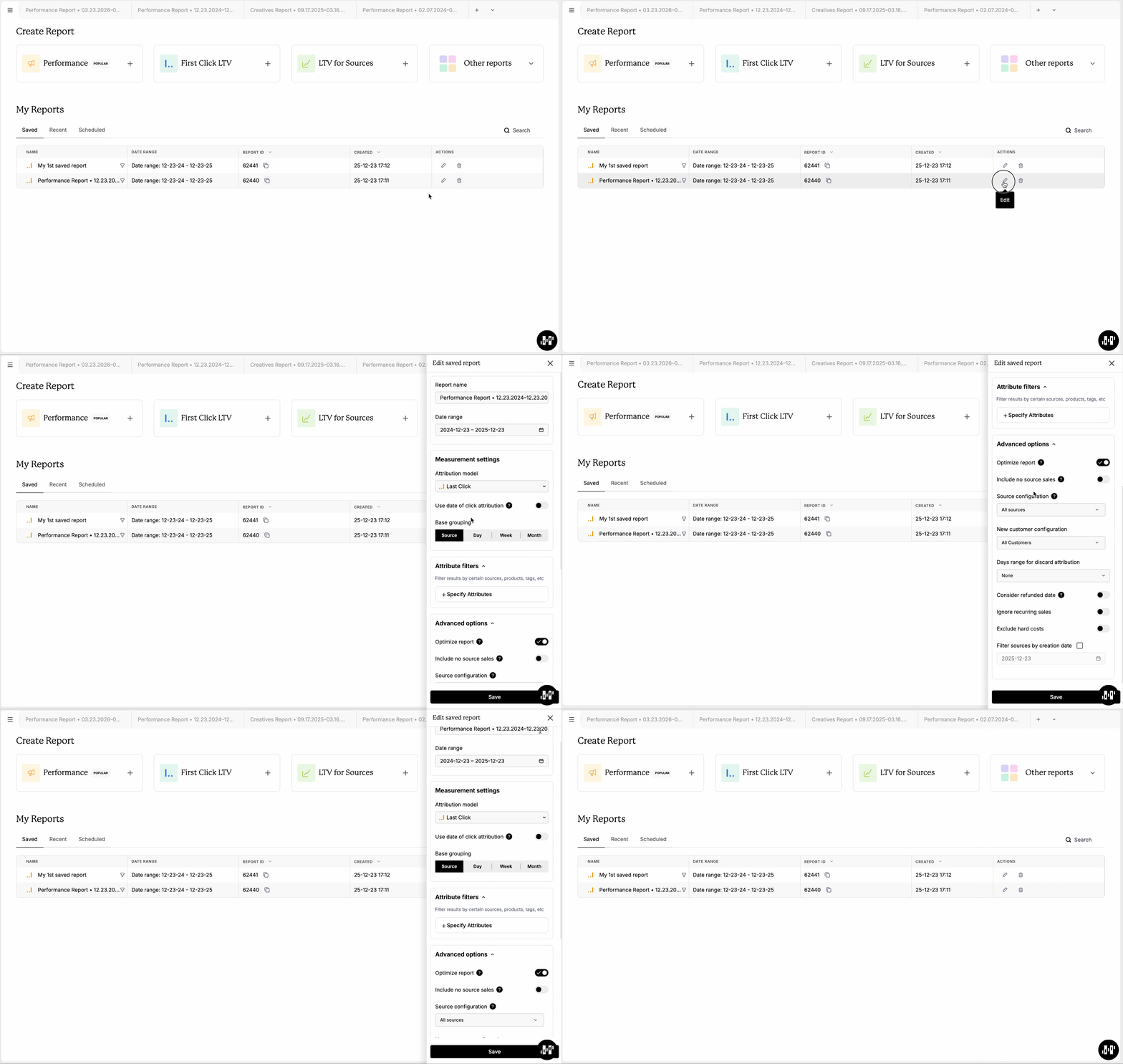
Edit your saved and scheduled reports
You can now edit saved and scheduled reports, including filters, date ranges, and frequency.
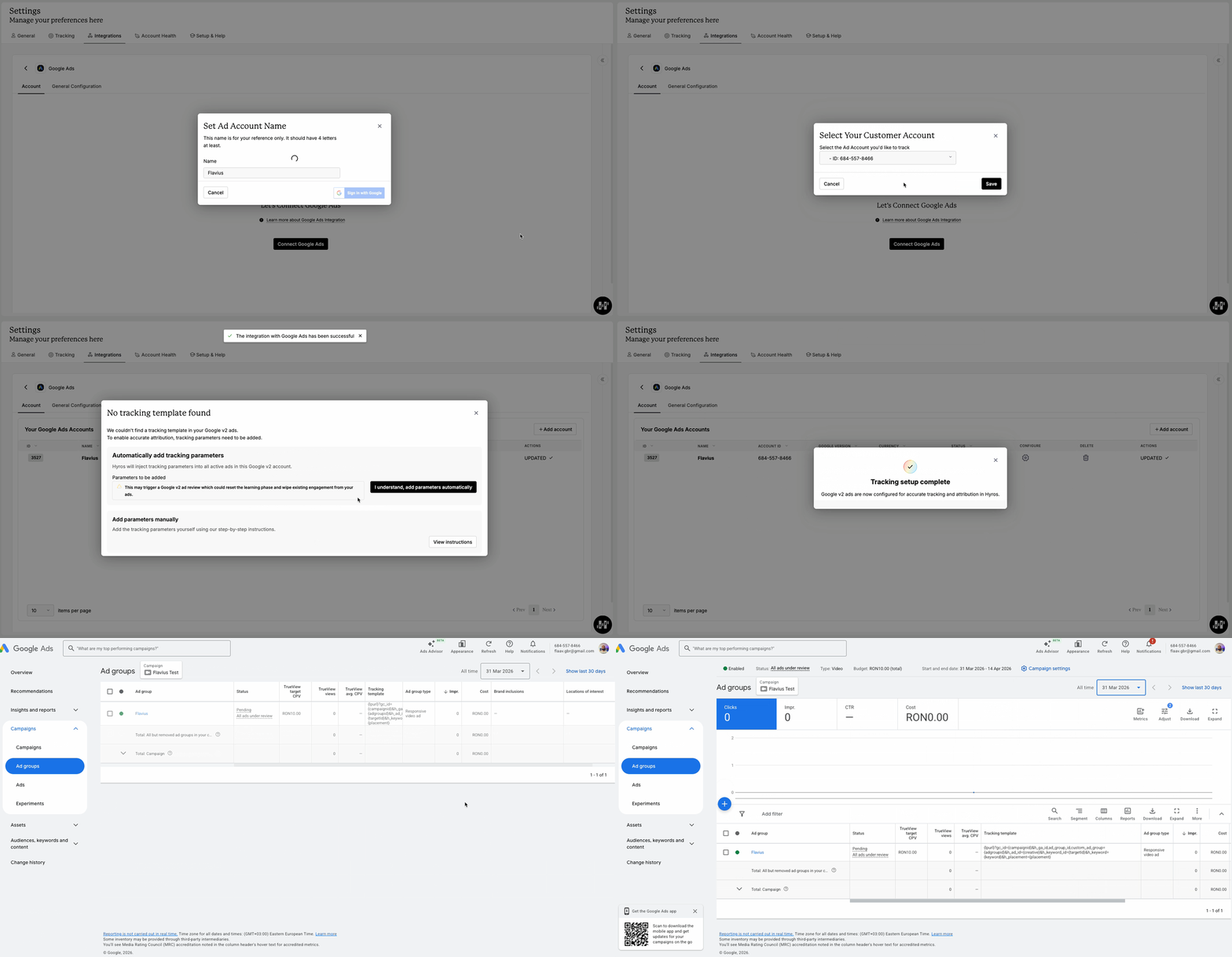
Automatic tracking template setup for Google Ads
During Google Ads integration, users are prompted to automatically update tracking templates with Hyros parameters, simplifying setup.
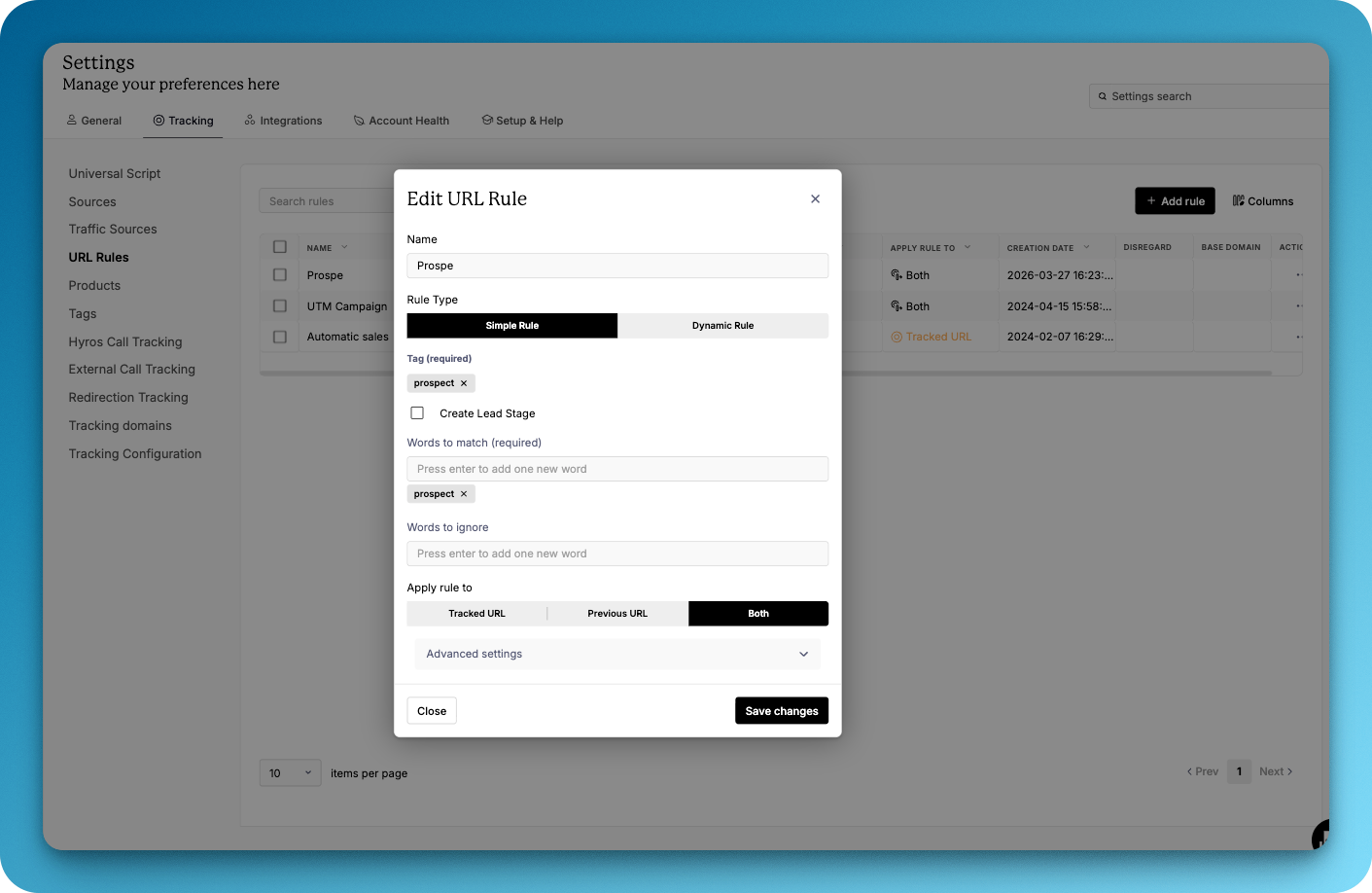
Lead Stages can be created using simple URL rules
Users can now define Lead Stages based on specific page visits or keywords, making qualification flows more flexible.
Bing Ads Keyword Tracking
Hyros now supports keyword tracking for Bing Ads, similar to Google Ads. This allows marketers to analyze and optimize Bing campaigns with the same depth as other ad platforms.
The new Tracking template for keyword tracking is:
{lpurl}?h_campaign_id={CampaignId}&bng_id={AdGroupId}&h_ad_id={adid}&h_keyword={Keyword}&h_keyword_id={_hkid}
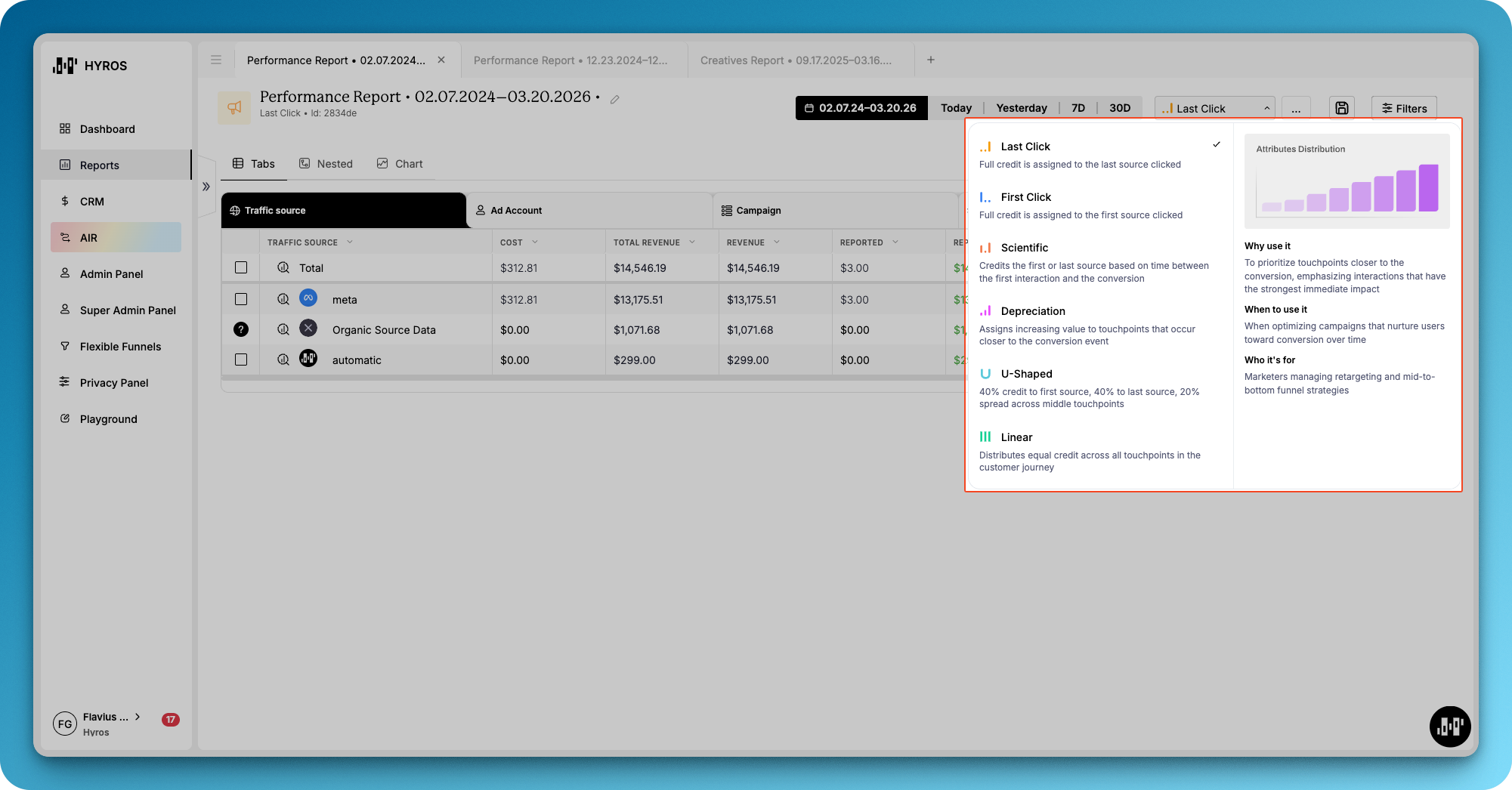
Attribution Model Explanations
A new panel in the reporting interface provides clear, concise explanations for each attribution model. Hovering over a model displays its purpose and best use cases, helping users select the right model for their analysis.
Hyros app gets a fresh new font
All app interfaces now use P22 Mackinac for headers/metrics and Inter for regular text, ensuring a cohesive and professional look.
SSO with Meta / Facebook
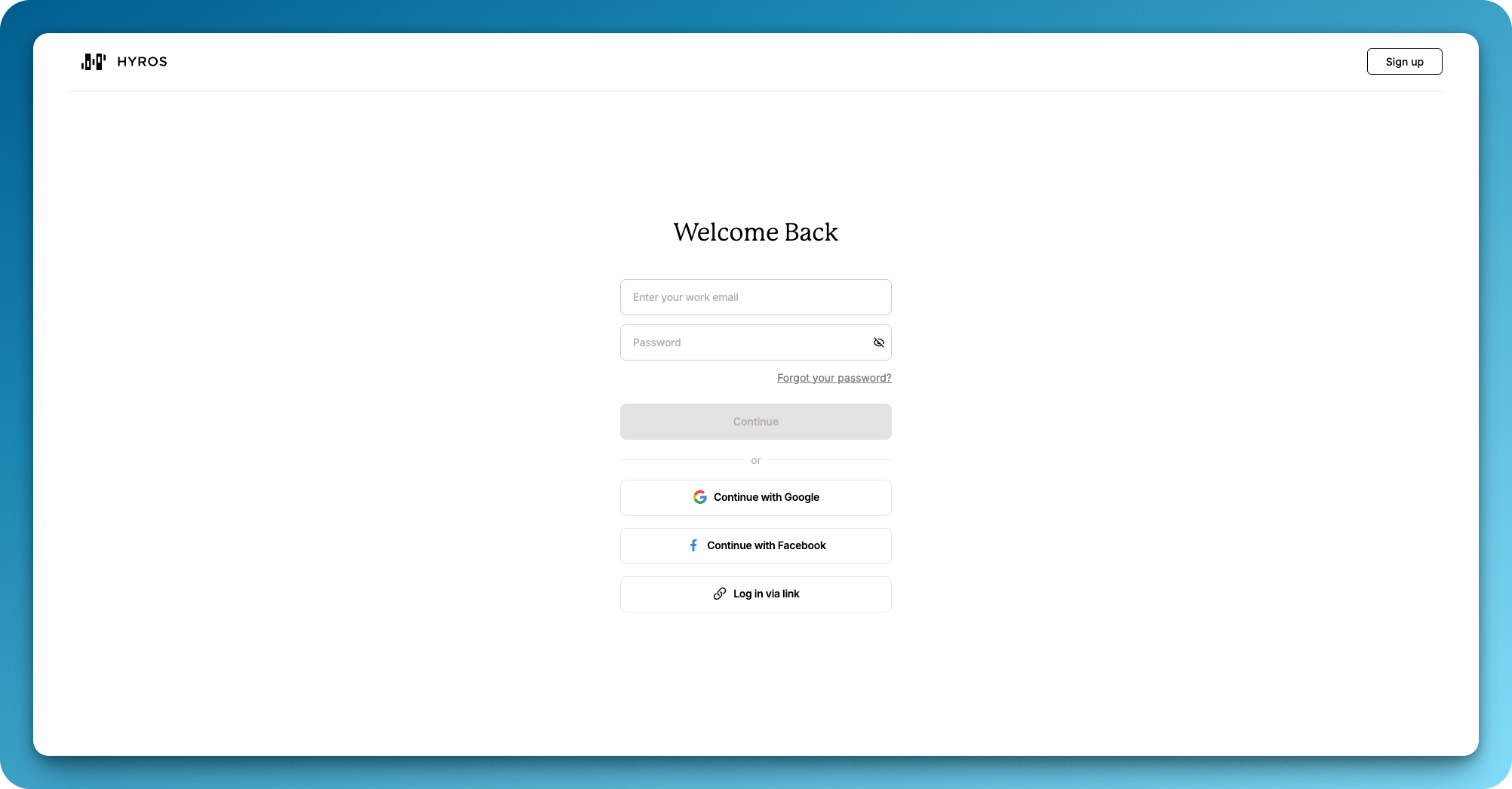
Users can now sign up and log in to Hyros using their Facebook/Meta accounts, in addition to Google. This streamlines onboarding and authentication, automatically pulling in your full name and email for a faster experience.
Improvements & Bug Fixes
Charts and widgets now use a unified, modern color palette
All chart types in reports and widgets have been refreshed to match the latest design palette, improving visual consistency in both light and dark modes.
Real-time updates are now faster and more reliable in Sourceboard and widgets
We replaced legacy polling with Server-Sent Events (SSE), ensuring instant updates and reduced load for live data components.
Exports from CRM and DeepMode tables now respect user-selected columns
Exports now only include columns selected by the user, and fixed columns can no longer be removed, improving export accuracy and usability.
Onboarding collects only essential info; address details moved to billing
The onboarding flow now asks only for timezone and currency, with address and name details collected later during credit card entry for a smoother experience.
Shopify integration updated to latest API version for continued compatibility
Shopify integration now uses API version 2025-07, ensuring ongoing support and access to new Shopify features.
Tracking script API now supports configuration via API requests
Users can now programmatically customize their tracking scripts through the API, matching the flexibility of the UI.
Recent conversion tracking issues investigated and resolved
A thorough review of recent conversion-related issues led to platform stabilization and improved reliability for conversion tracking.
Cost reporting stabilized after deep analysis of recent issues
Cost-related platform segments were analyzed and improved, resulting in more accurate and stable cost reporting.
Lead Stage Custom Conversion events now use the correct datetime
Custom conversion events for lead stages now use the date the stage was applied, improving attribution accuracy.
HighLevel integration now supports syncing charges for accurate billing
Charges from HighLevel are now synced into Hyros, ensuring billing data is up-to-date and accurate.
Shopify webhook errors resolved for more reliable integrations
Fixed errors that occurred when enabling Shopify webhooks, improving integration stability.
Race condition fixed for duplicate category entries in SourceLink creation
Resolved a concurrency issue that could cause duplicate entries during automatic SourceLink creation.
Custom Metric creation now limited to prevent database errors
A limit of 10 on the number of variables in custom metrics prevents database truncation and formula corruption.
Top Sources widget configuration errors investigated and resolved
Fixed inconsistencies in widget configuration, preventing future errors and improving reporting accuracy.
SKU filter queries optimized for faster performance
Database queries related to SKU filtering have been optimized, reducing load times for large datasets.
Source queries improved for better performance
Enhanced the performance of queries to the sourceRequestFailureRecords index, reducing processing times.
API endpoints now strictly validate array payloads
All API endpoints now enforce strict validation for array payloads, reducing the risk of malformed data.
Assertion failure errors resolved for increased backend robustness
Fixed backend assertion failures, improving system reliability.
Users are notified when integrations require re-authentication due to new scopes
The system now alerts users when new scopes require them to re-authenticate integrations, ensuring continued access and security.
Improved error handling for missing access tokens
Enhanced error handling reduces unnecessary error logs and improves troubleshooting.
Plan migration exceptions now handled gracefully
Improved logic prevents exceptions when migrating user plans, ensuring smoother transitions.